
Bay News Rising
Professional and college reporters training collaboratively for the future of Bay Area journalism. Bay News Rising is a project of the Pacific Media Workers Guild made possible by the labor and contributions of its members.
Salinas Valley feeds the world, but too many locals are going hungry
By Emma Garcia ::
It’s mid summer of 2009. I hear the kids playing across the street in the park. The sun is shining through the blinds and Saturday morning TV cartoons are over. I sit on my mom’s couch and the rumbles in my stomach have started. I walk to the kitchen and open the fridge, as any 9-year old would.
I know it’s the end of the month because the fridge is bare. A few yogurt cups are left next to the milk that’s running low, and we have a few eggs left. I walk over to the cabinet and there are Cheerios, noodles, and cans of mixed vegetables. I decided to eat cereal to settle my stomach. My mom is still asleep and I know she’ll want cereal too. I walk to the kitchen sink to run the tap water and hover the milk jug under it so the water will stretch the milk – hopefully until our next grocery run.
As a kid, I would try to get to elementary school early enough to eat breakfast because there wasn’t enough food at home. In the cafeteria, I was happy. I might get a bagel, a pancake sausage dog, a cinnamon roll or cereal with graham crackers and milk. I knew my mom wouldn’t have eaten much that day, so I would slip the graham crackers into my pocket, looking left and right to make sure the teacher on yard duty wouldn’t catch me in the middle of tucking the blue-wrap gram crackers in my pocket and so other kids wouldn’t tell on me.
At lunch, I’d do the same. I would put my food in my backpack and hide my little milk carton in my sweater until I went back to class. After school, I’d walk home, excited to show my mom what I’d brought her. My smuggled graham crackers were crushed and the little carton of milk was warm, but it didn’t matter. Bringing food home meant I loved her.
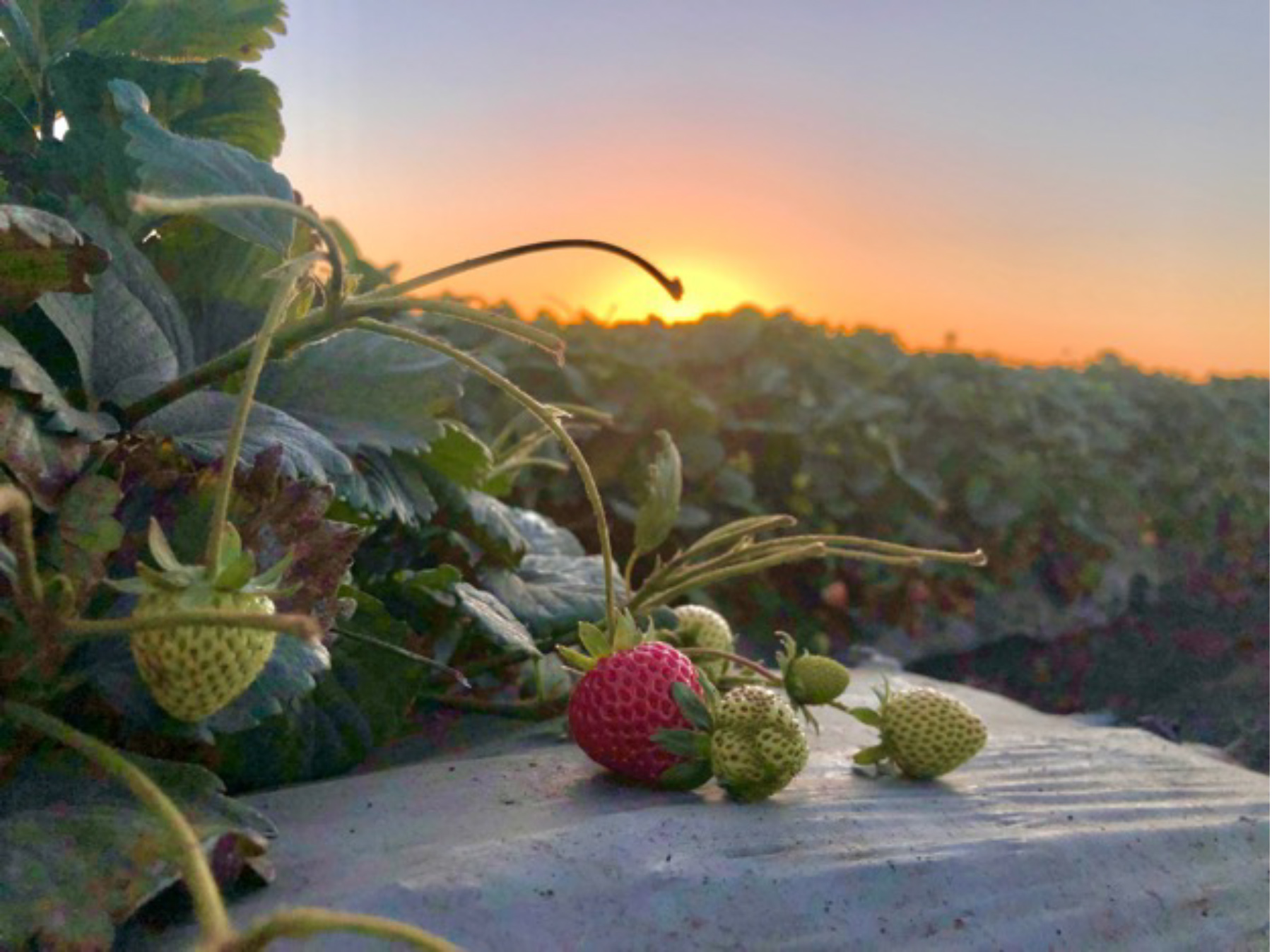
The 10th of each month was like winning the lottery since we had money for shopping: bananas, strawberries and oranges – all my favorite snacks. I’d wake up excited, knowing we’d have them for a while. But I also felt the fear of eating it all too quickly. Like all good things, they soon come to an end.
The data
Over a decade later, at 23 years old driving the back roads of Salinas in my 2002 VW Jetta with the windows down, seeing fields of strawberries and lettuce stretching to the horizon, I find the sight breathtaking, but it left me wondering how can Salinas feed the nation and the world, yet still have so many people here go hungry, especially in the valley where all our food is grown?
Not having enough food has consequences on peoples’ quality of life, health being one of the biggest. Last fall, a report by the Hospital Council of Northern & Central California found that “women, younger residents, lower-income residents, communities of color, and LGBTQ+ respondents are more often food insecure.” In other words, people are going hungry.
Monterey County residents have limited food access. About 69,025 people – 16.6% of the population – do not live near a supermarket or grocery store. Forty percent of the people surveyed in the fall of 2022 worried about running out of food. More than half of residents in the southern part of the county are going hungry, and over 40% in North County and Salinas reported being in a similar situation.
Residents in these communities make up most of Monterey County’s low-income and Hispanic populations. According to the Monterey County Community Health Report Assessment, it’s clear that widespread hunger is a product of the high level of poverty in these communities. The report says that over 20,000 Monterey County children live in poverty. The rate of poverty among children tops state and national averages and in the child poverty category Monterey County is not on track to meet the Healthy People 2030 objective, an initiative by the federal government to improve overall health and well-being nationwide.
These populations are also disproportionately affected by poor health outcomes, according to the Hospital Council of Northern & Central California.
Overall, 21.5% of Salinas residents and 22.9% of those in South County suffer poor health. These percentages exceed the state (14.9%) and national averages (12.6%). Within Monterey County, Salinas has the greatest percentage of people with a high level of diabetes or high blood sugar (14.9%). Over a fifth of the population has pre-diabetes or is close to being diagnosed with it. And 41% of Salinas residents have high cholesterol, while 39.6% have high blood pressure.
Not just a statistic
These statistics are not just numbers but people.
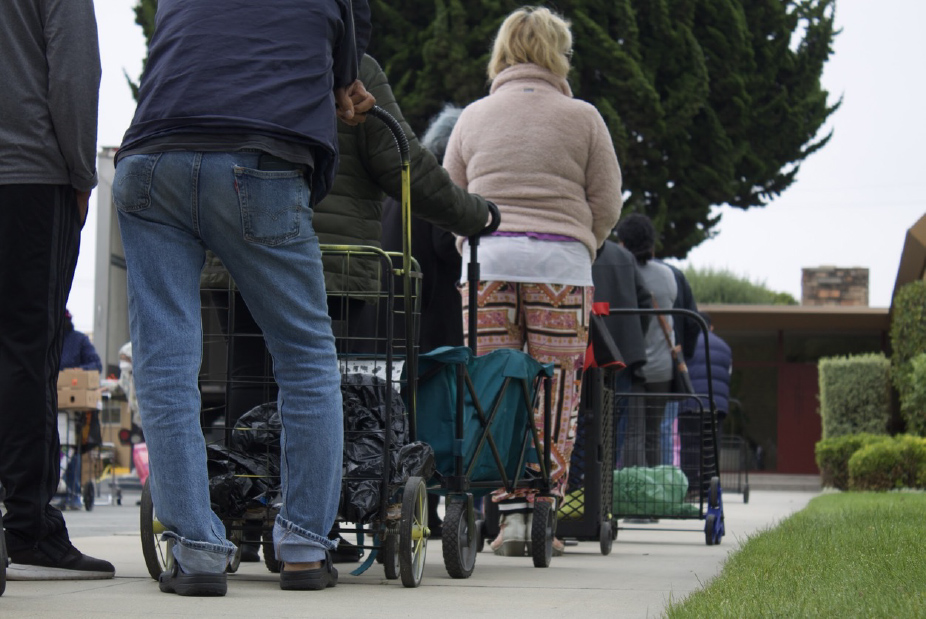
On the 3rd Wednesday of every month the Community Food Bank of Monterey County sets up in the parking lot of St. Ansgar’s Lutheran Church on East San Joaquin St. During the July distribution, over a dozen people waited in line to receive food for themselves, their relatives or other people in the community.
At the food bank line, however, people of all ethnicities were represented, and they were all waiting for the same thing: food.
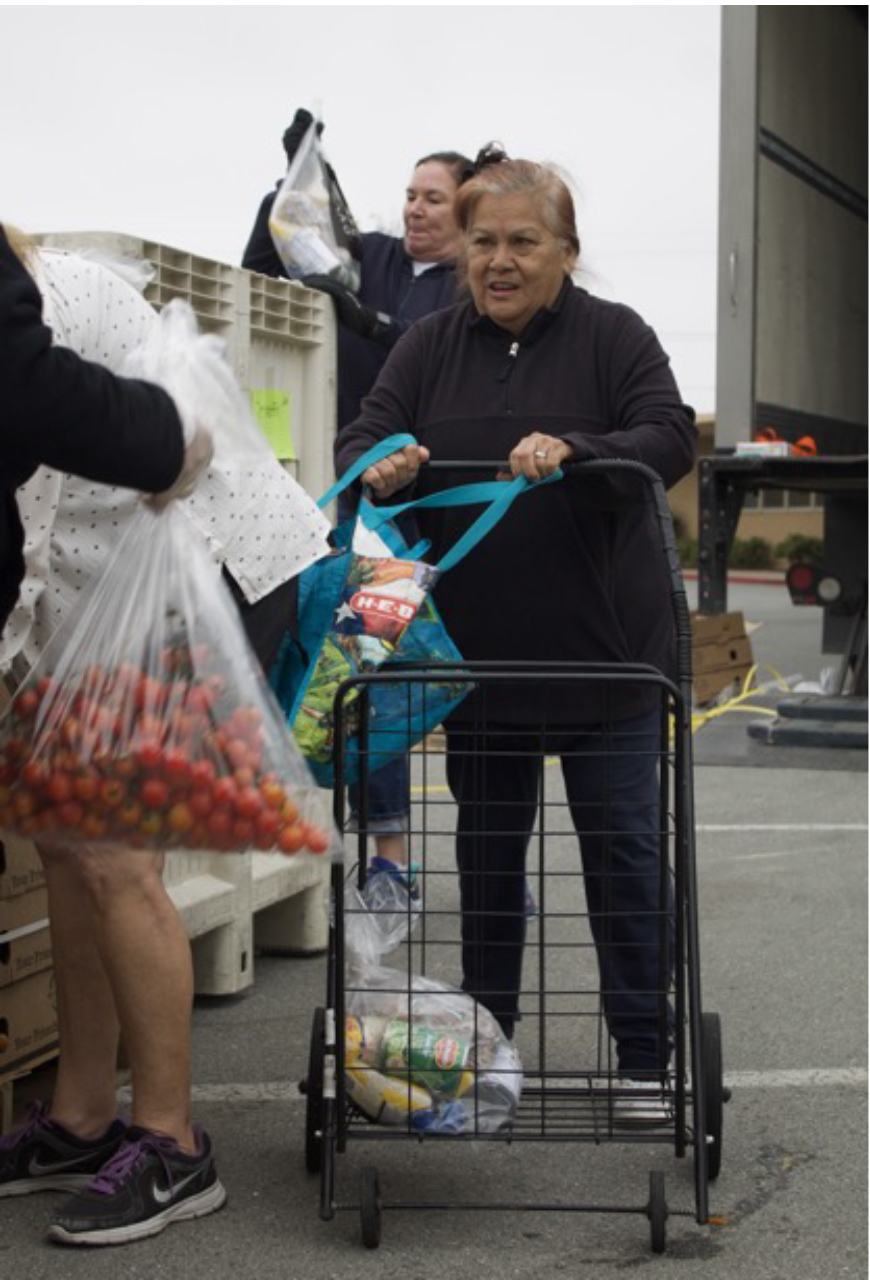
Leticia Martinez was one of those waiting on the cold, overcast morning. She lives in east Salinas and says she comes to the food bank four times per month because each distribution provides something different.
“We go wherever they’re giving away food because we really need it,” she said.
Martinez is unemployed and doesn’t receive food stamps. When she goes to the grocery store, she can’t buy fresh produce,
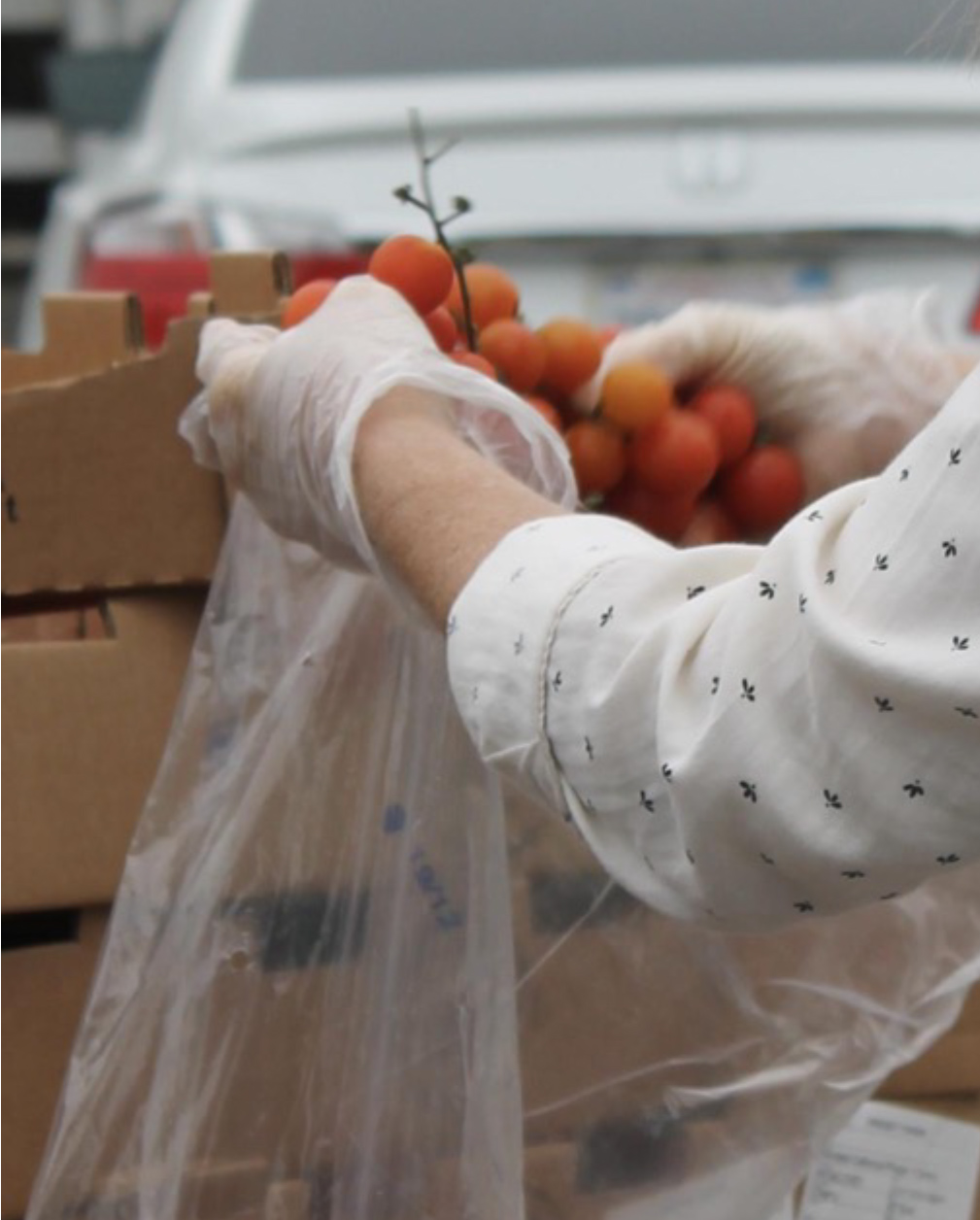
“I can’t afford $2.49 for peaches so I’ll get one or two, but the tomatoes here are free,” she explained. “We can always put them in plastic bags and freeze them.”
Salinas residents are surrounded by verdant fields of fresh strawberries – especially during the summer peak season. But, Martinez said, “I can’t afford to buy even a little basket for $4.99. There are enough strawberries in Salinas for everyone, so why can’t they donate some to us?”
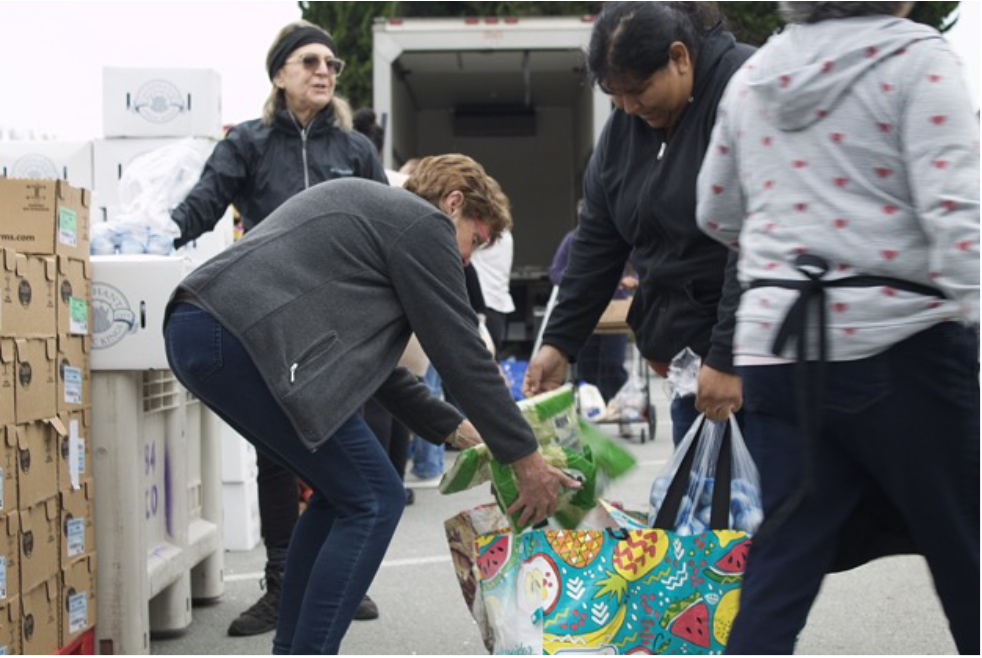
Waiting in line behind Martinez, Salome Cuevas came from Castroville, about a 15 minutes drive from Salinas.
While large quantities of produce are grown locally, “they’re so expensive I can’t buy even little containers of berries or salad,” said Cuevas, who said she doesn’t qualify for government assistance such as food stamps so accessing food is a struggle. “They give us the chance to get those things here. Sometimes we don’t have anything to eat, and that’s when we really need these places [food distribution agencies].”
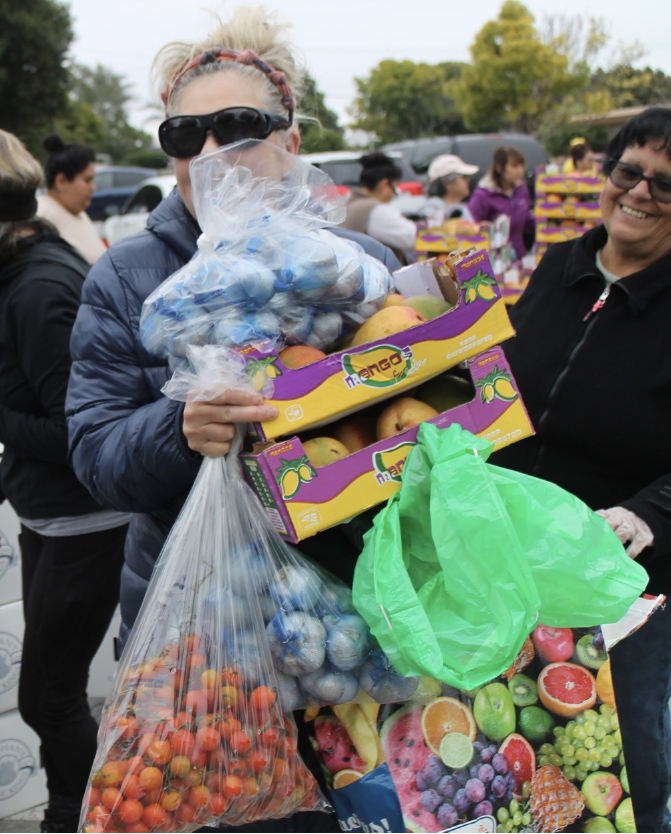
Sylvia Hernandez Chan is familiar with the valley’s acres upon acres of fresh vegetables and fruits because she’s worked her entire life in the fields.
Bundled up in a long, navy blue, puffy jacket and black sunglasses as she awaits her turn, Hernandez Chan said she can’t afford the food at the grocery store that she once spent hours picking in the field.
With $75 a month in food stamps, she supports her 83-year-old mother.
“I always take her whatever I cook, but it’s not enough, so I get her food from here too.”
Hernandez Chan is diabetic and on a strict diet that requires whole fruits and vegetables. She believes she became ill because she didn’t have access to them. “Before, I used to eat pure junk food, fast-food, hamburgers. And, well, now I come here because they give a lot of vegetables and things that are essential for you.”
Moving forward
All three women have ideas about how to reduce hunger in Monterey County.
Hernandez Chan believes elected officials should support the community by subsidizing the cost of food for low-income families, especially things like eggs, which she calls a luxury.
“Santo Remedio, that’s what we the poor eat the most: eggs!”
For two years, Hernandez Chan volunteered in the food bank, bringing food to five families during the height of the COVID pandemic.
Many of them had diet-related illnesses like diabetes, she said.
“When I would get to my neighborhood, with my child in the front seat, the kids would call out, ‘Yay, your grandmother has arrived with the vegetables!’”
Diabetes and hip surgery forced her to stop volunteering for a while, but she plans to go back soon.
Cuevas and Martinez agree that elected officials should do more to provide food to people who need it, as well as increasing access to health care.
Martinez thinks they should focus on senior citizens and the homeless if not the entire community.
“We all have to eat,” she said.
“Families have children who go to school hungry. And we’re all struggling with these high prices.” It’s not just people of color, she emphasizes. “I see white people in these lines – a lot of people in the same boat. We all just want to survive.”
To Martinez, the Monterey County Food Bank is “a blessing.”
Multiple non-profits in Monterey County work to improve people’s lives, yet the well-being of its poorest residents continues to decline. Over a decade ago, a survey by the California Institute for Rural Studies found poverty and hunger are widespread among Salinas Valley farmworkers; and the problem continues to persist.
One organization working on a solution is Blue Zone, whose initiatives help people afford fresh produce and healthy meals across Monterey County. This is due to a large grant from the state and federal governments for a pilot program called Double Up Food Buck, which helps shoppers purchase California-grown produce with a CalFresh/EBT card by matching up to $15 per transaction. It’s expected to launch this fall in four of the existing La Princesa markets in Greenfield, King City, and two locations in Salinas, according to Blue Zone’s Food Policy Lead for Monterey County, Genevieve LeBlanc.
Blue Zone helps local stores to carry organic produce, including La Michoacana in East Salinas, by partnering with an organization called, All the Farmers.
This farm incubator is teaching over 30 farmers how to grow produce by temporarily providing them a small plot of land.
“Blue Zone connected two of the farmers to a local grocery store,” said LeBlanc. Now the store sells their organic produce, and Blue Zone is trying to get a refrigerator so that perishable produce can be stored properly.
“When you look at a neighborhood like East Alisal, it’s full of junk food places and there’s no whole food, right? It’s designed that way,” LeBlanc said.
She calls this “food apartheid.”
“In Alisal if you try to buy anything organic, there are zero options. So that’s one way of saying, ‘People who work in the field also deserve the best product,’” she said.
Although Blue Zone is making great efforts, the needs of Monterey County and Salinas are largely unresolved. Food prices and the cost of living continue to rise, forcing people to work twice as much to remain in their homes and hardly able to feed themselves. LeBlanc says it’s too soon to tell if their efforts have made a big impact. “If there’s a positive change in people’s health, it’s thanks to more than Blue Zone. We’re just part of the solution.”
In the “Salad Bowl of the World,” Monterey County agriculture generates over $3.9 billion a year, a total estimated impact of over $11.7 billion on the local economy according to the Monterey County Farm Bureau.
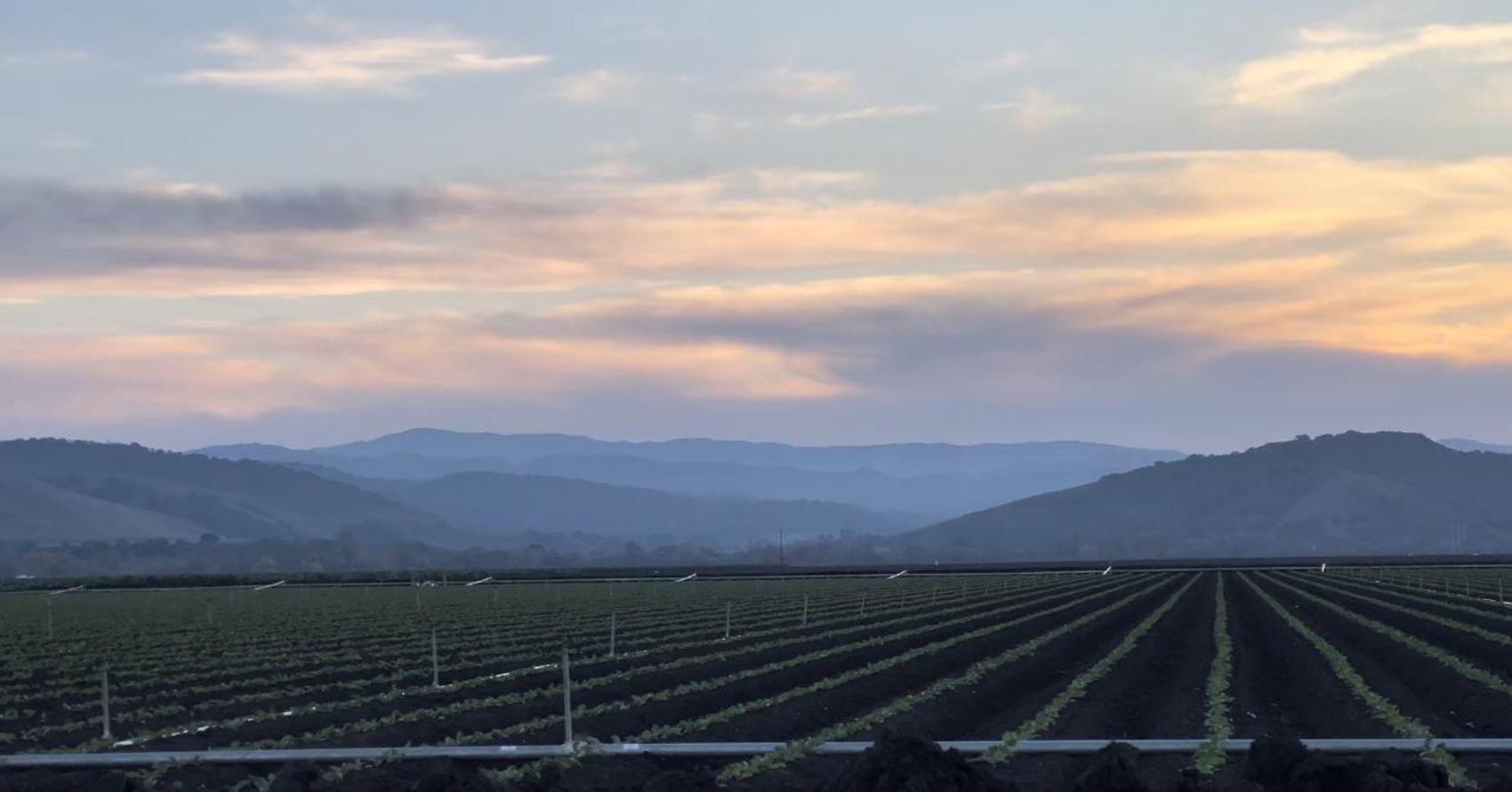
“Monterey County agriculture pumps $1.33 million into the local economy each hour of every day,” according to the Monterey County Farm Bureau.
Yet hunger persists side by side with high profits and production.
LaBlanc has asked the Salinas City Council to put food adequacy on its agenda. A request to the city’s spokesperson for an interview about the city’s efforts to combat hunger was not returned by press time.
“Challenges like homelessness, COVID and housing are huge in Salinas,” she said. “I feel like those big topics are on the top of their list. But sometimes people overlook food.”
Translation provided by Leticia Martinez and Jessica Sorto.


 Bay News Rising
Recent Comments