
Bay News Rising
Professional and college reporters training collaboratively for the future of Bay Area journalism. Bay News Rising is a project of the Pacific Media Workers Guild made possible by the labor and contributions of its members.
The Caring Cowgirl
Story and photos by Giselle Garza Lerma
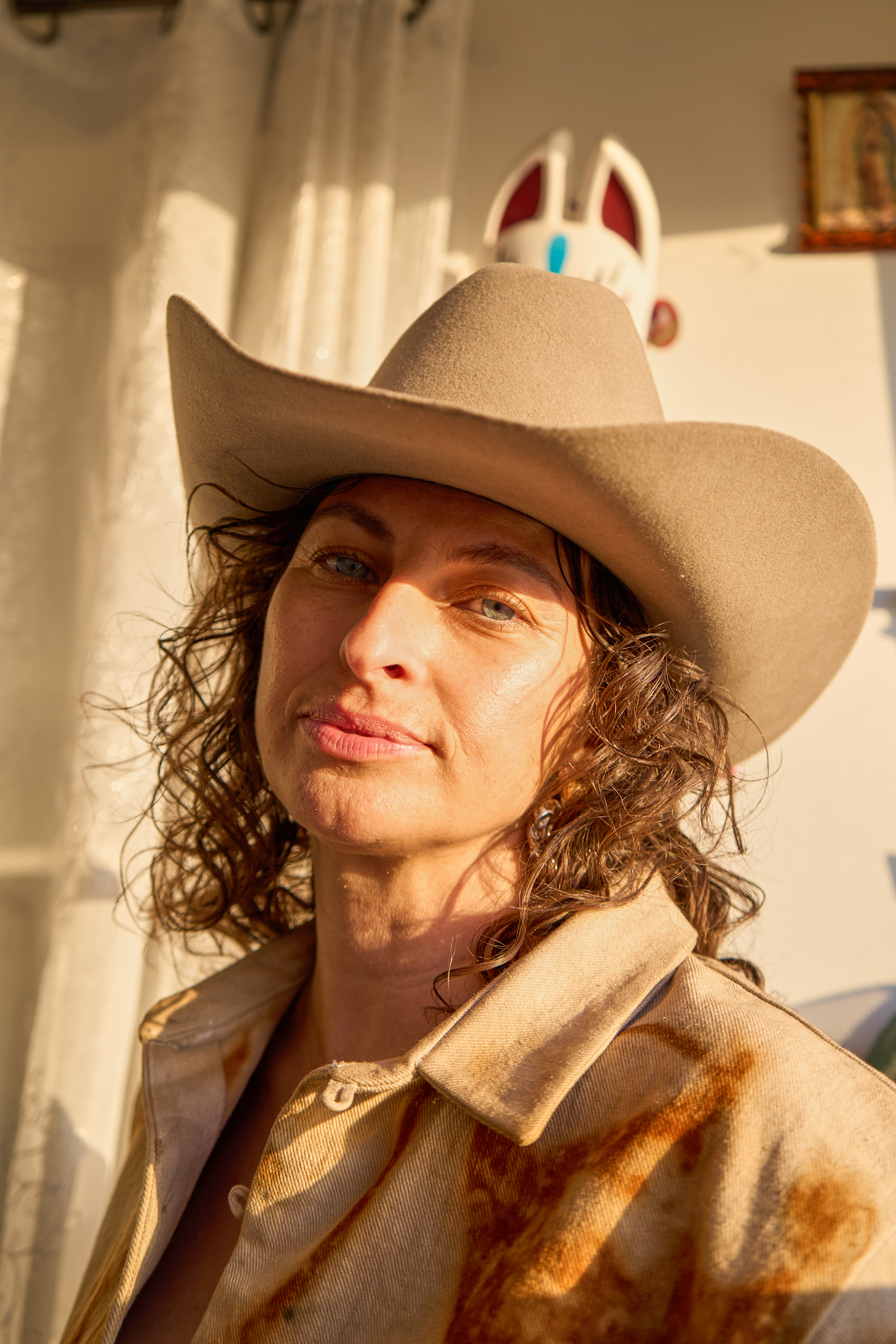
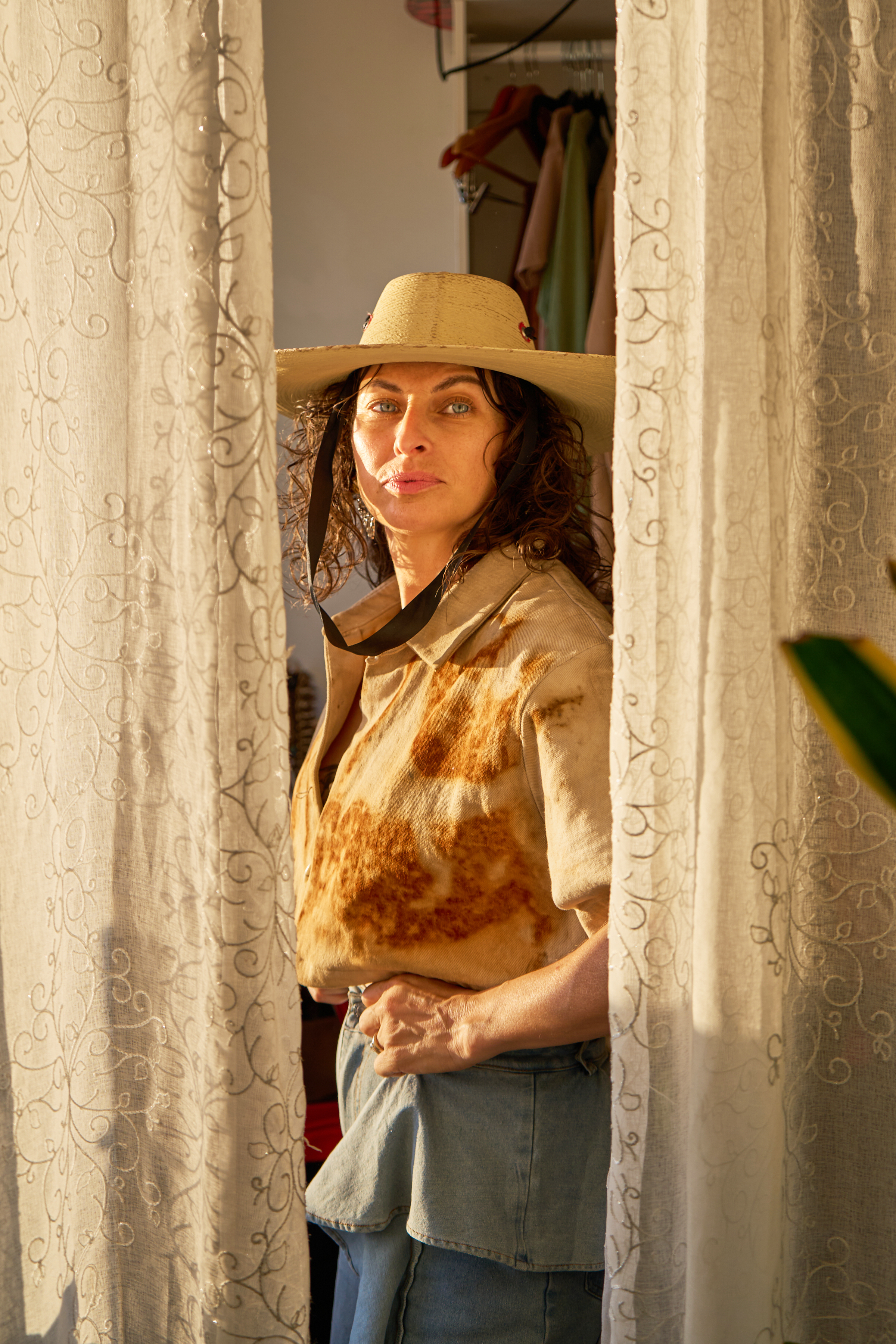
Elizabeth Beeson grew up surrounded by ranch life, instilled with community values. Her mother always told her, “If you have the ability to help, then it becomes your responsibility to help.”
Those values inspired Beeson to start Caring Cowgirl eight years ago. The nonprofit group organizes bilingual programs, broadening access to horses through therapeutic visits and workshops. To Beeson, Caring Cowgirl’s name conveys inclusivity, healthy connections between humans and animals, accessibility to young people who can’t easily experience rural life and advocacy for social change.
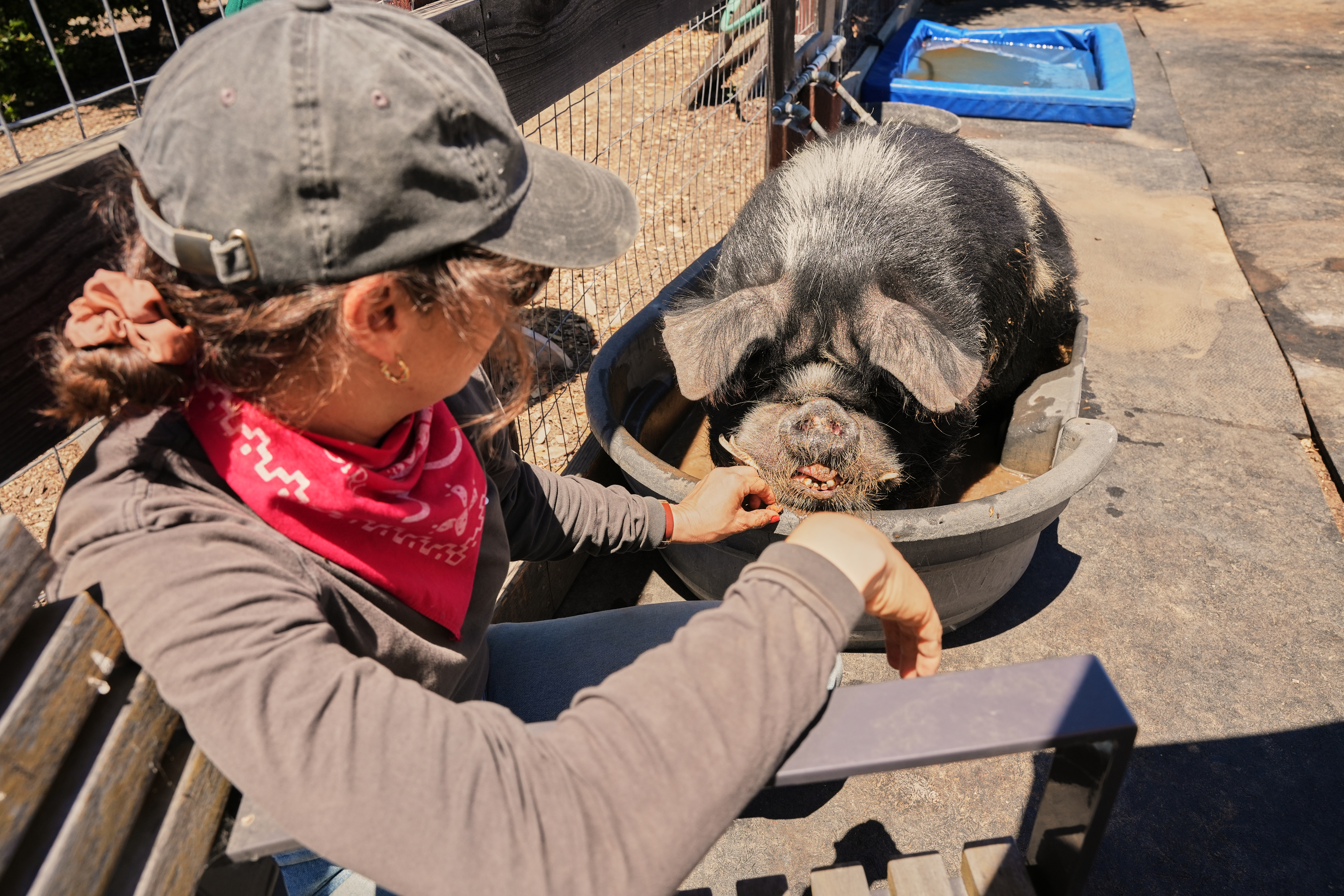
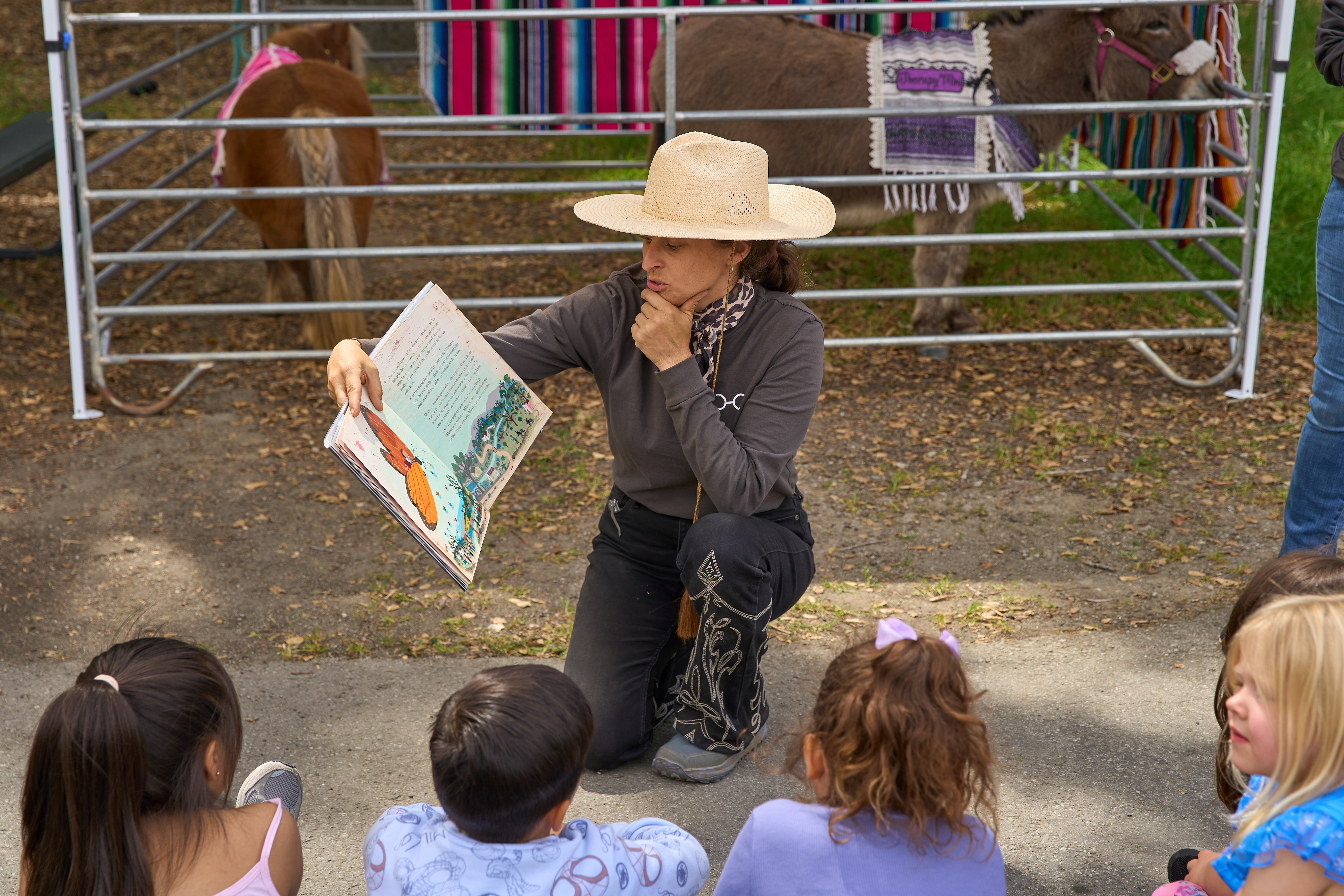
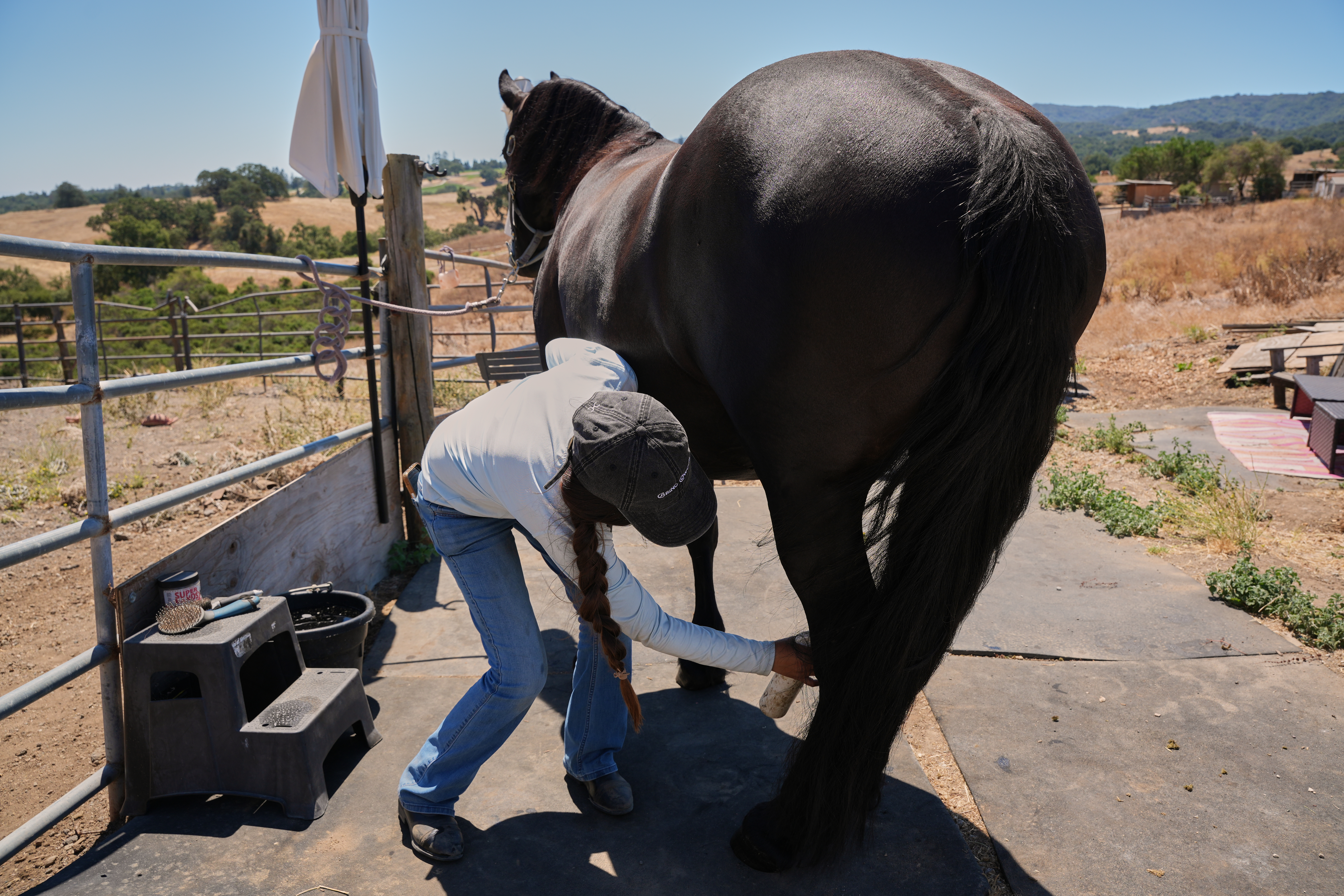
When I first met her at her ranch in Palo Alto, I was greeted by a mini-pony, Shakira, a mini-donkey, Vanessa, a big-bellied pig, Thomas, and a beautiful Friesian horse, Vaquera. She uses these animals in her program through hands-on horse therapy. For young people, a visit to the ranch can offer time to improve mental health, regulate their nervous system and practice intentional presence.
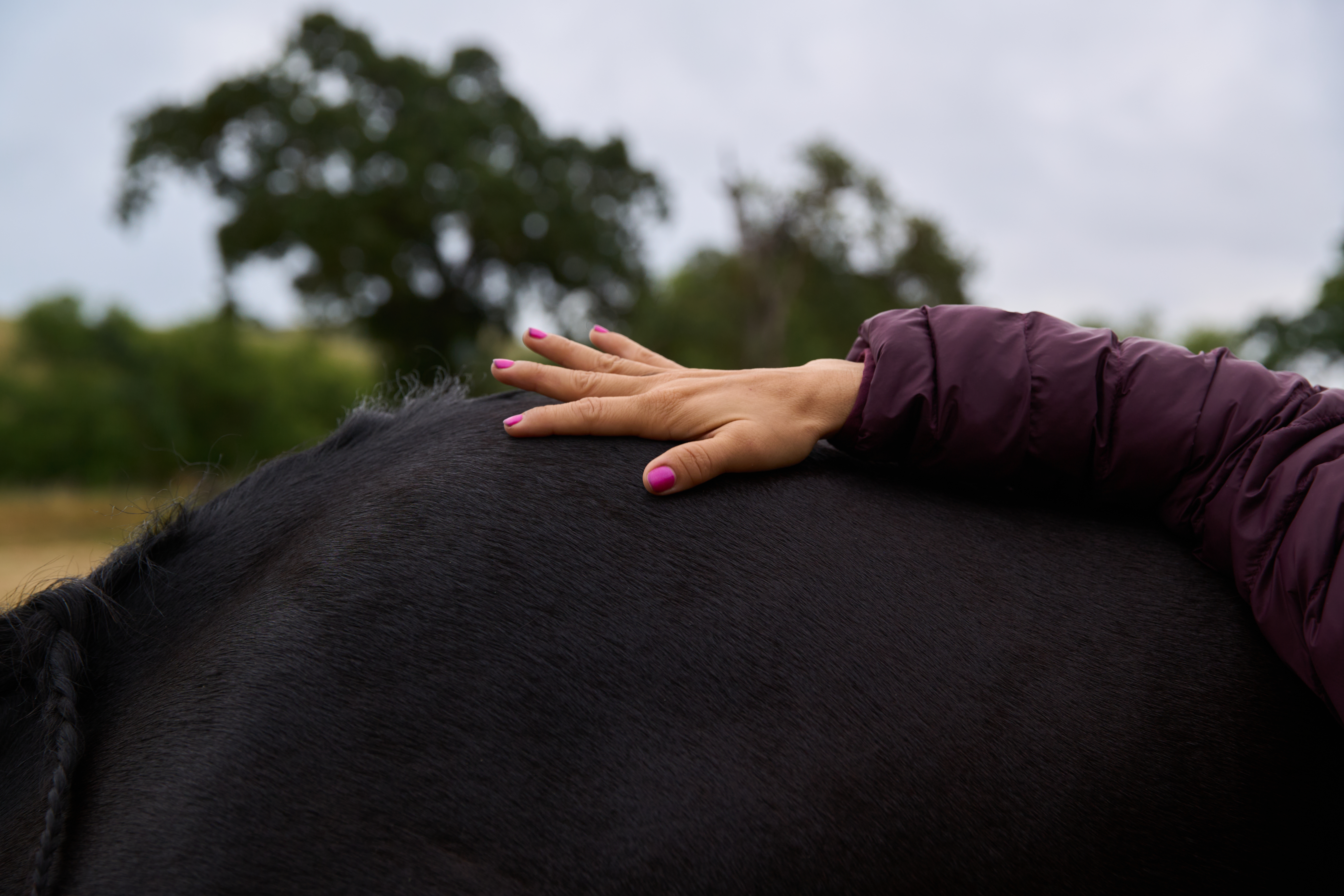
Beeson received her certificate at the Professional Association of Therapeutic Horsemanship International and earned her Therapeutic/Adaptive Riding Instructor certification in 2016.
She found that education fulfilled her, except in one area. “I looked around and thought, ‘Everybody that works here doing the hard labor — somos latinos,’” she said. But people of color were not receiving the therapeutic services she was training for. “I thought to myself, ‘I’m going to start my own thing. I’m going to lead with my culture (and do it) for my culture.’ That’s when I decided to start Caring Cowgirl.”
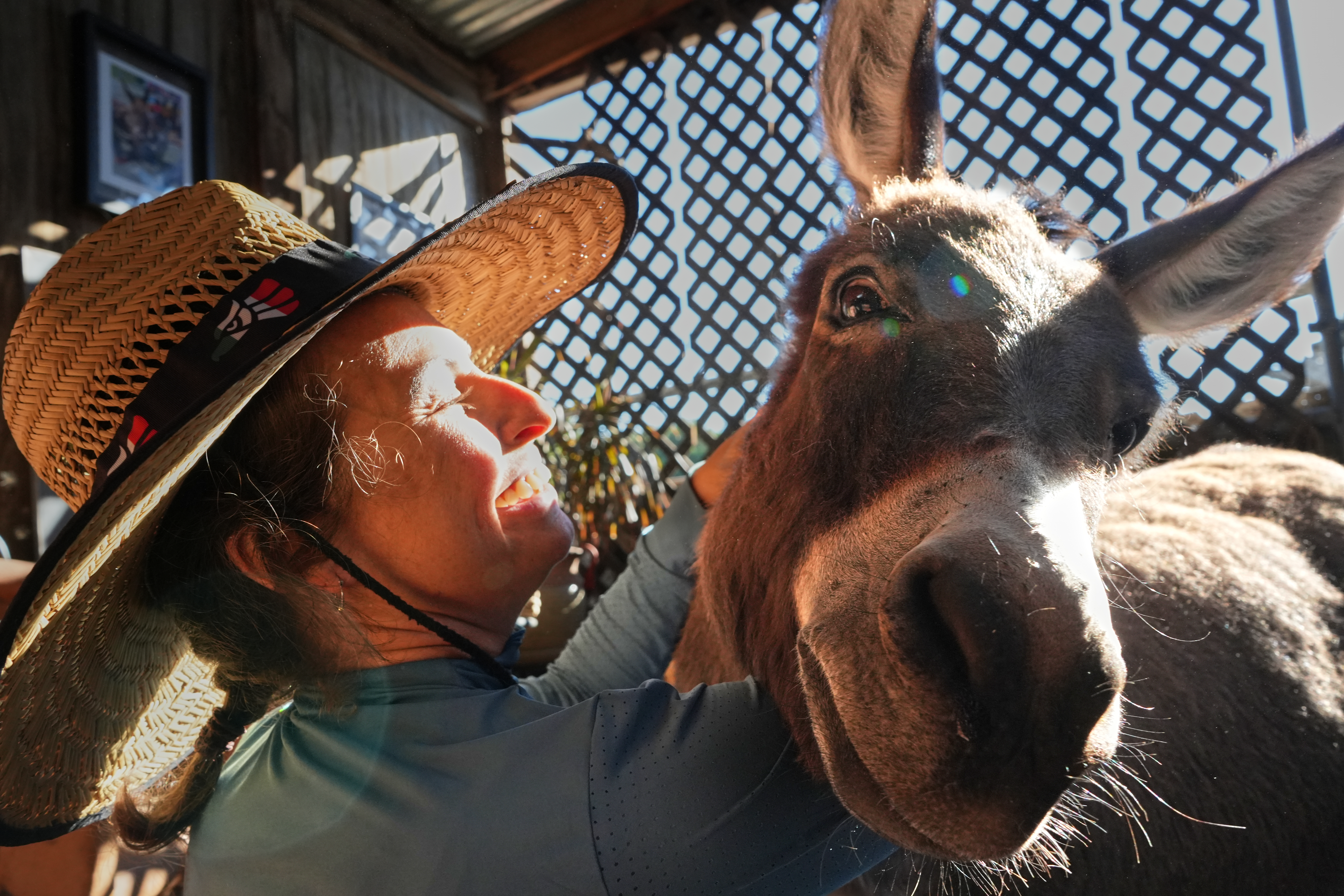
Through Caring Cowgirl, Beeson doesn’t just give urban youth a chance to come to the ranch. She goes to Peninsula cities, visiting schools, libraries and other venues where she can offer mini horse therapy to bilingual children and adults. Her therapy and other services are available to everyone. “It is so cool to be multicultural, no matter what culture. You should always be proud of that, especially in our current political climate.”
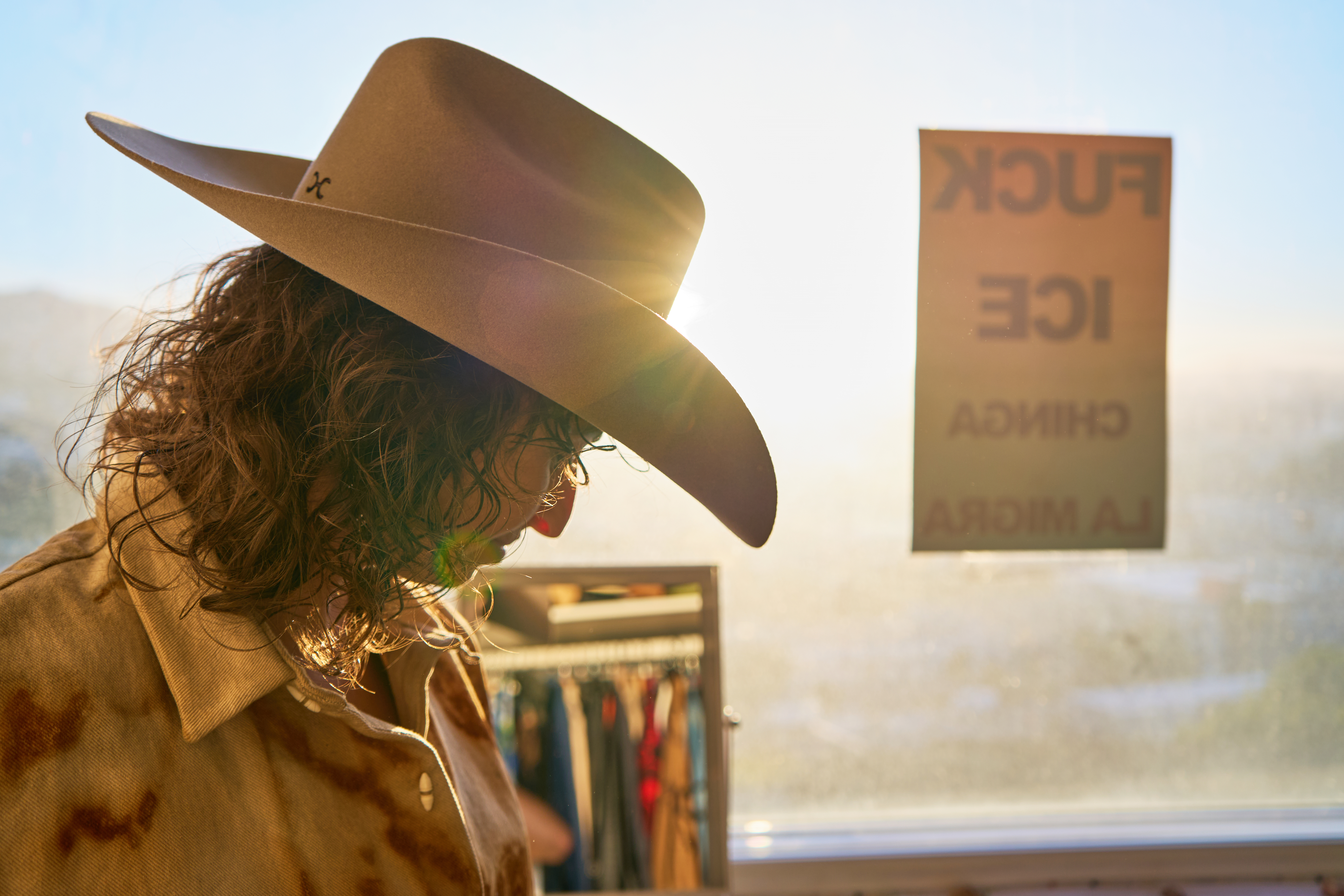
Beeson believes the United States is a beautiful melting pot of cultures and identities but feels the Trump administration is trying to strip away its diversity. “Its divisive rhetoric is targeting Brown and Black people and other communities of color to sow fear and to be super-divisive. But it’s the farthest from the truth,” she said. “To me, Caring Cowgirl is a quiet riot against the system of oppression in this country.”
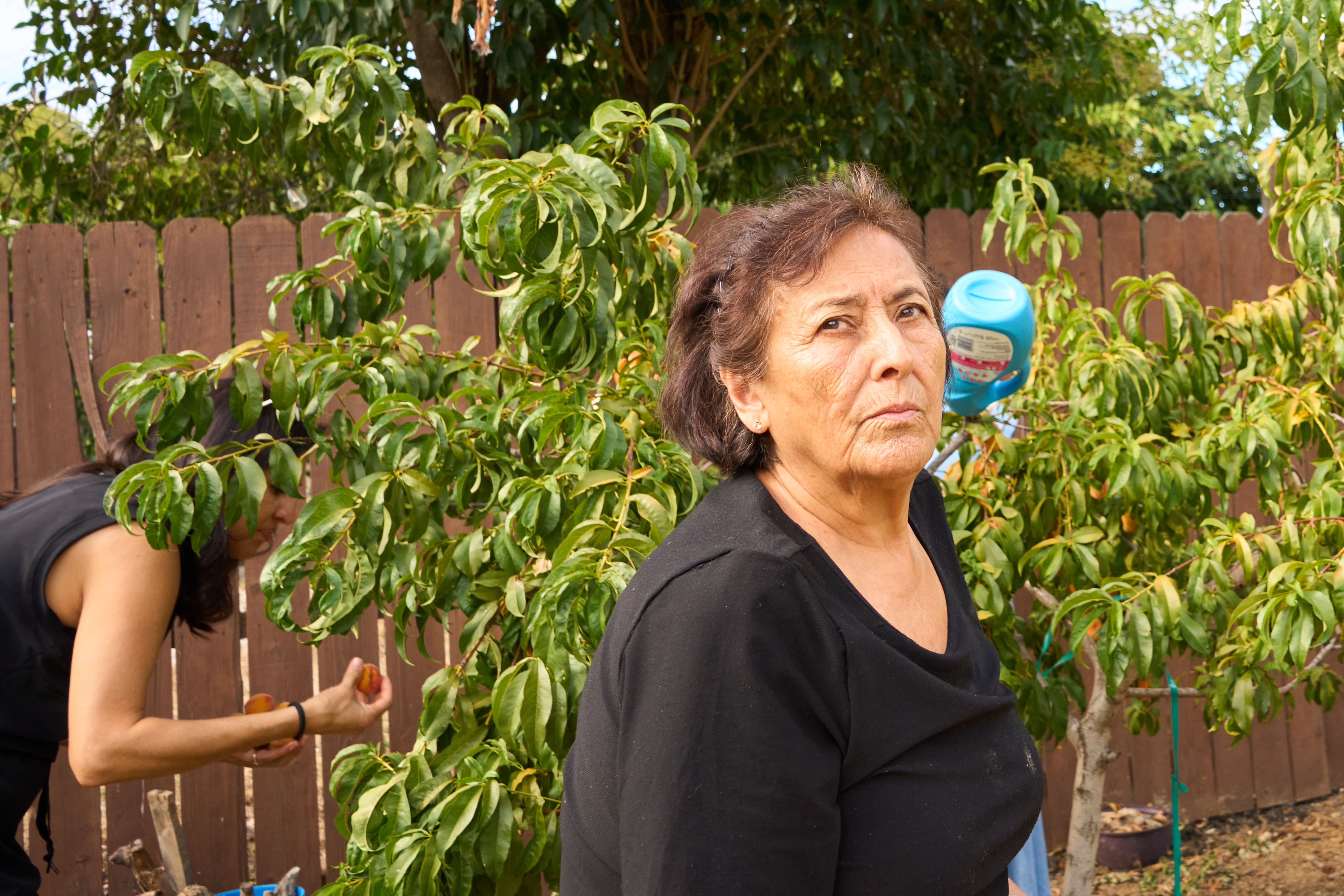
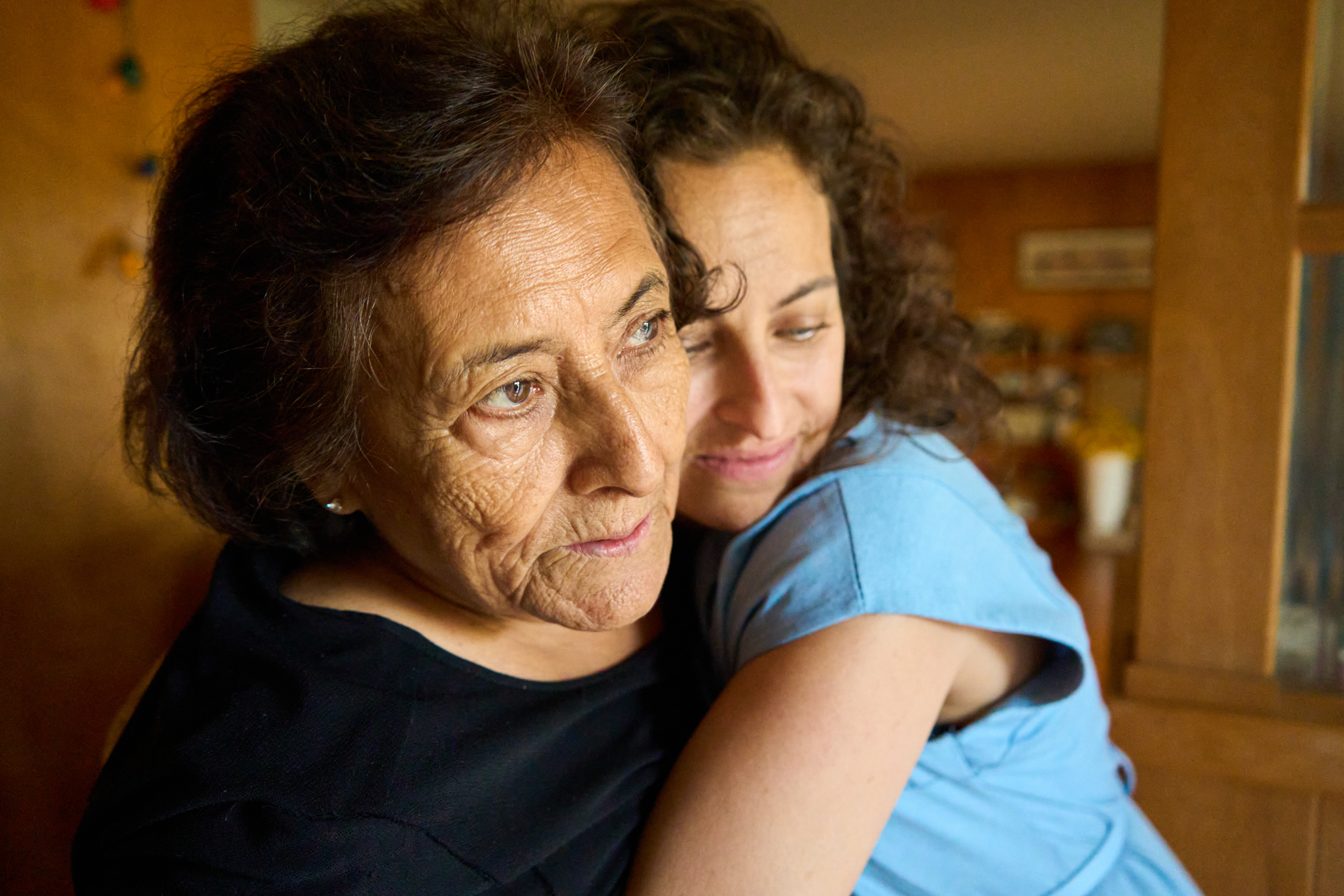
Beeson comes from a family of strong vaquera women who have faced adversity. “The meaning behind the word is far more than a Mexican cowgirl; it’s a sacred word to me. Saying I’m a vaquera encompasses riding with my ancestors,” she said. She feels a cultural connection to her ancestors, who have created a deep appreciation for the sacred art of tending to animals and the land. Her mother, Consuelo, was born and raised on a ranch in La Mesa, Jalisco, Mexico. She was one of 11 children and grew up mucking stalls, feeding and cleaning animals, and caring for the livestock on the ranch.
When Consuelo was first married, she and her husband had planned to move to the United States in search of a safer environment and a better future for their children. There was no accountability under the law where they lived; women had very few rights, only limited education was available for her children, and it could be a dangerous place.
Her husband left for Long Beach to prepare for his family’s arrival but unexpectedly passed. His death made it even more urgent for Consuelo to leave Mexico — a widowed woman alone with two young children, Elizabeth’s sister, Lourdes, and brother, Cruz. Consuelo felt she had no safety or security without him, especially in a town that didn’t offer much safety for women to begin with.
She followed through with their migration plan but knew the journey now would be much harder. They went up to the Tijuana border crossing. Consuelo believed the children would be safer if they crossed looking like a traditional family, rather than as a single mother with kids. So she handed them to their godmother and godfather, who held them as they drove across the line at San Ysidro.
Being separated from the children was a huge risk. “I was worried because they had gone ahead first — I had entrusted them to this man and woman,” she remembers.
The hardest part for Consuelo was her own crossing of the border at night.
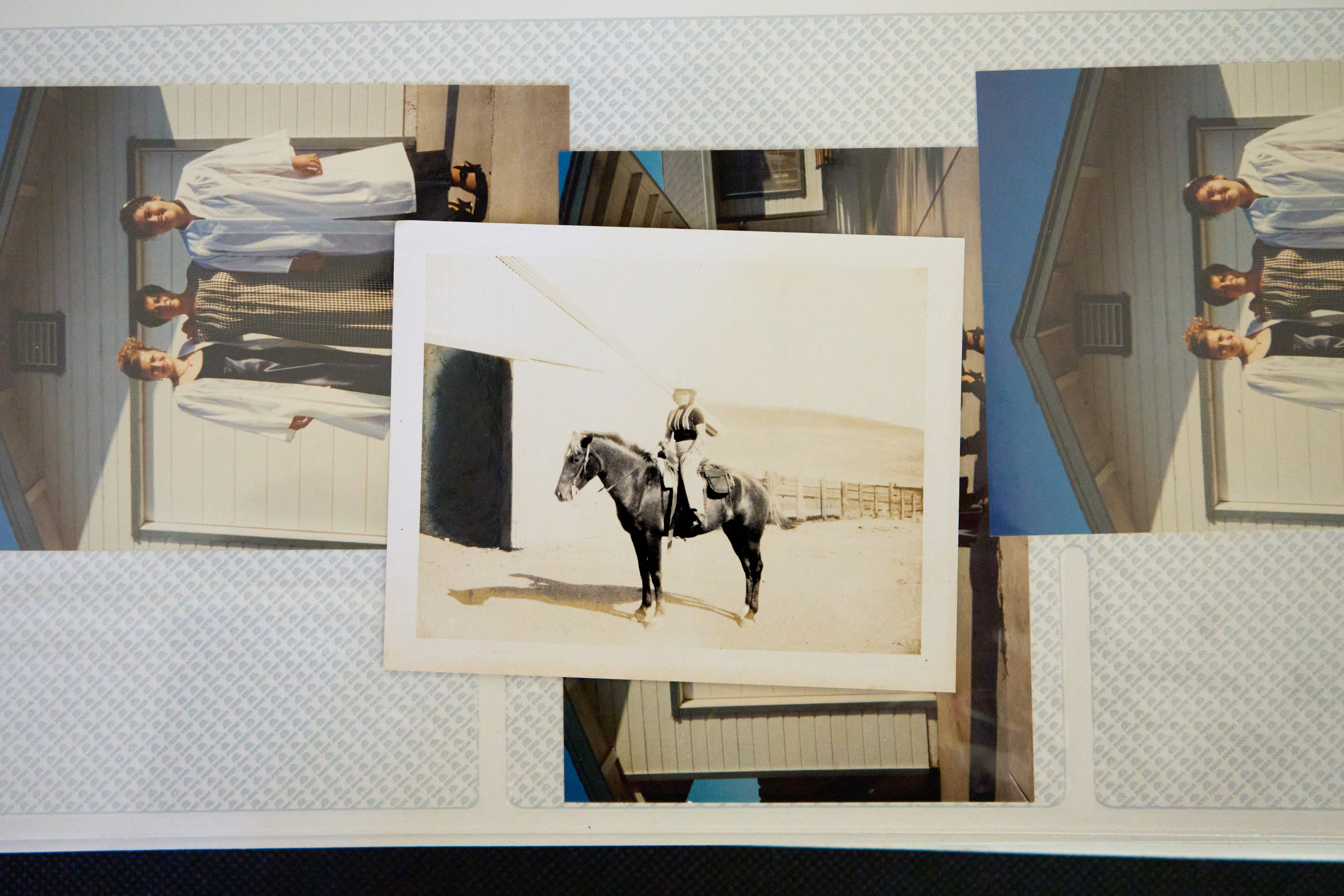
But she made it and in Los Angeles, the family finally reunited. There she started a job as a server at Tito’s Tacos in Culver City and soon after met Elizabeth’s father, Sommer Carroll Beeson. After they married, they moved to Willows, a small farming town by the Sacramento River in California’s Central Valley, where Sommer was a sheep farmer, and later they had Elizabeth.
It was in her and her siblings’ youth in Willows, where the Beesons were one of only four Latino families, that they started to experience discrimination, assimilation and what it means to be Latino in the United States. That would lead down the road to Caring Cowgirl.
“I’m very independent and today I feel confident in who I am. But growing up, I was the definition of a marginalized child,” Lourdes Beeson remembered.
Moving into a predominantly white neighborhood was hard for Lourdes and Cruz. Lourdes was made painfully aware of the difference in language, culture, and way of living between her family and those of her classmates. “They couldn’t and wouldn’t say my name,” she said. Her kindergarten teacher changed her name from Lourdes to Dores because she wouldn’t learn to pronounce her name correctly.
“It was very much discussed [by Consuelo] how we weren’t a part of the community, ” Lourdes said. Consuelo felt uncomfortable going to parent-teacher association meetings and community gatherings due to being treated differently.
When she was 8, Elizabeth learned that skin color affected how others treated them. “From a very young age, I was aware that I was white-passing,” she said. “That’s when I learned there was a difference in this culture in this society.” Because Elizabeth is more fair-complexioned, white people would typically treat her better than they did her mother and friends of color.
As a child, when Elizabeth walked in town with her mother, people talked down to Consuelo, even aggressively. Consuelo spoke and understood English but white people would often ask Elizabeth to translate or would get frustrated because of mixed communication.
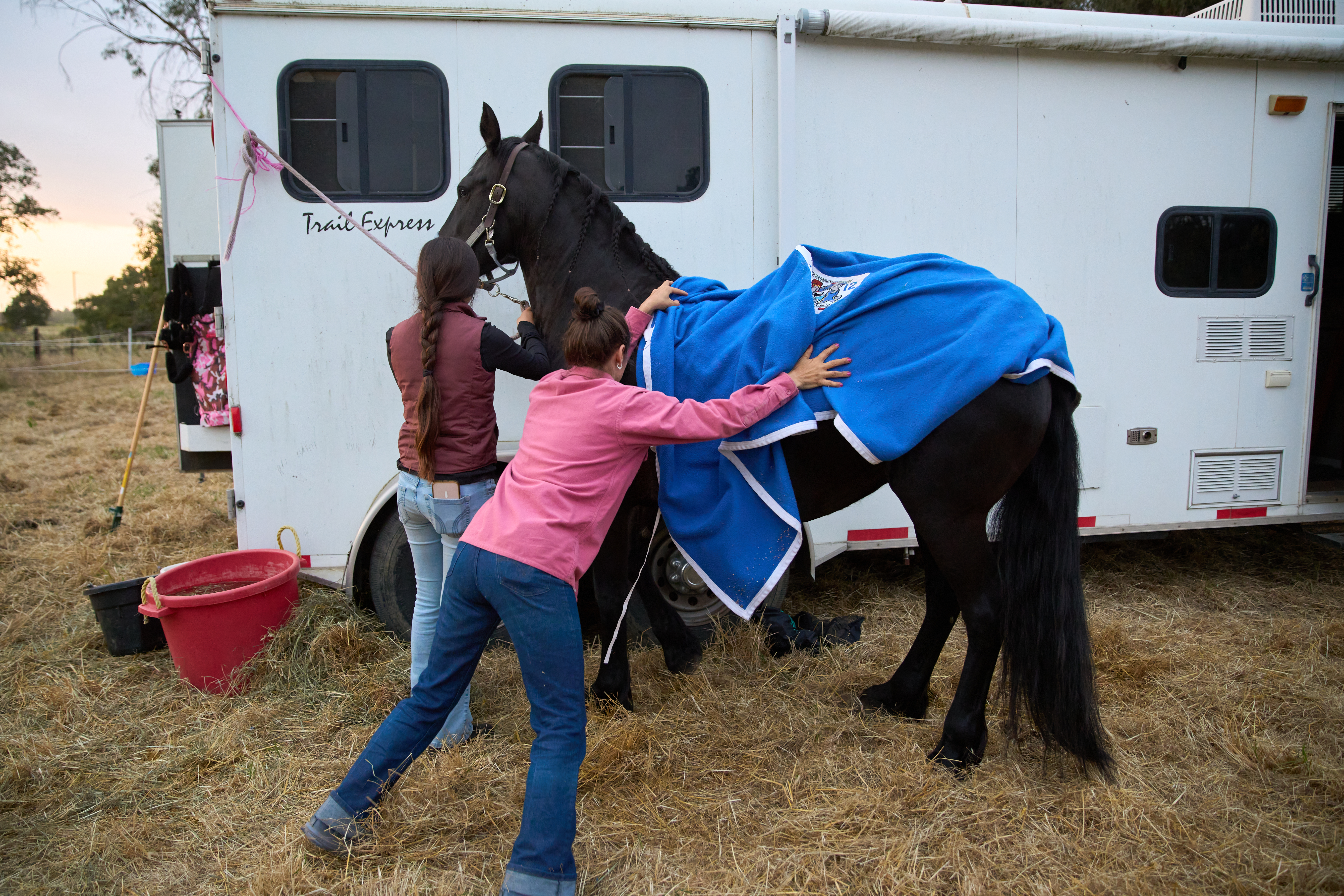
“The message was, ‘Hide your culture.’ I had one foot at home with Mexican pride and poverty, but the other foot was outside. I felt proud about who I was, but I had to hide who I was in order to survive,” Lourdes said.
Elizebeth learned the same lesson. Caring Cowgirl offers a way to reach young people, to make sure they understand they don’t have to hide to survive.
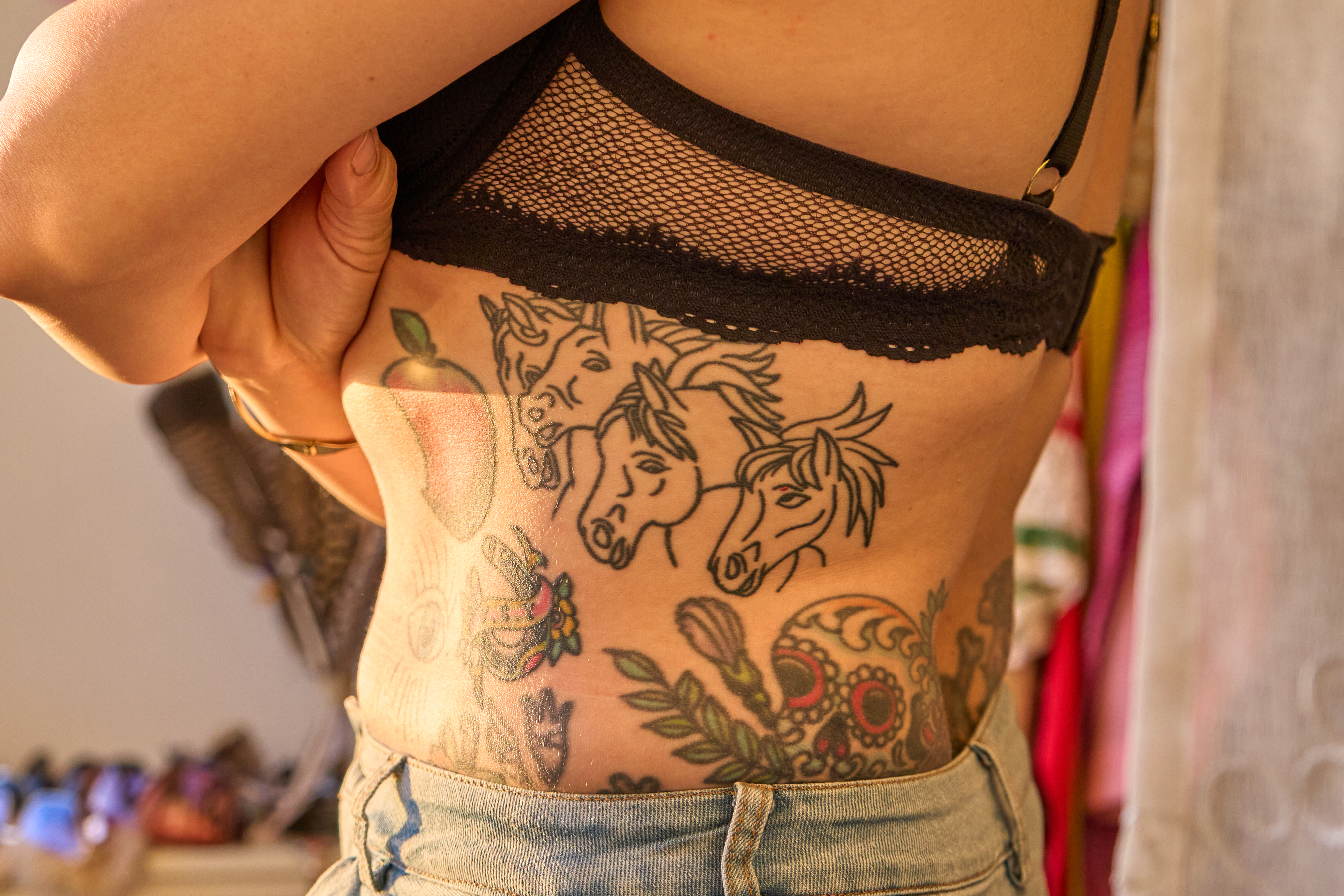
As she began to throw off the denigration of her culture and family, Elizabeth became community-driven. In high school, she started a Spanish club on campus to connect with other Latinos and create an inclusive space. “If we show up as authentically ourselves, there’s no reason for us to hate each other,” she said. She wanted to make a point that Latino youth can aspire to jobs beyond housekeeping or cleaning. They can be doctors, lawyers, teachers and more. But regardless of occupation, they all deserve respect.
“I just wanted to show them there are so many layers to us and we come in so many different versions. I was trying to figure out how to say that without yelling it from the mountain tops,” she said.
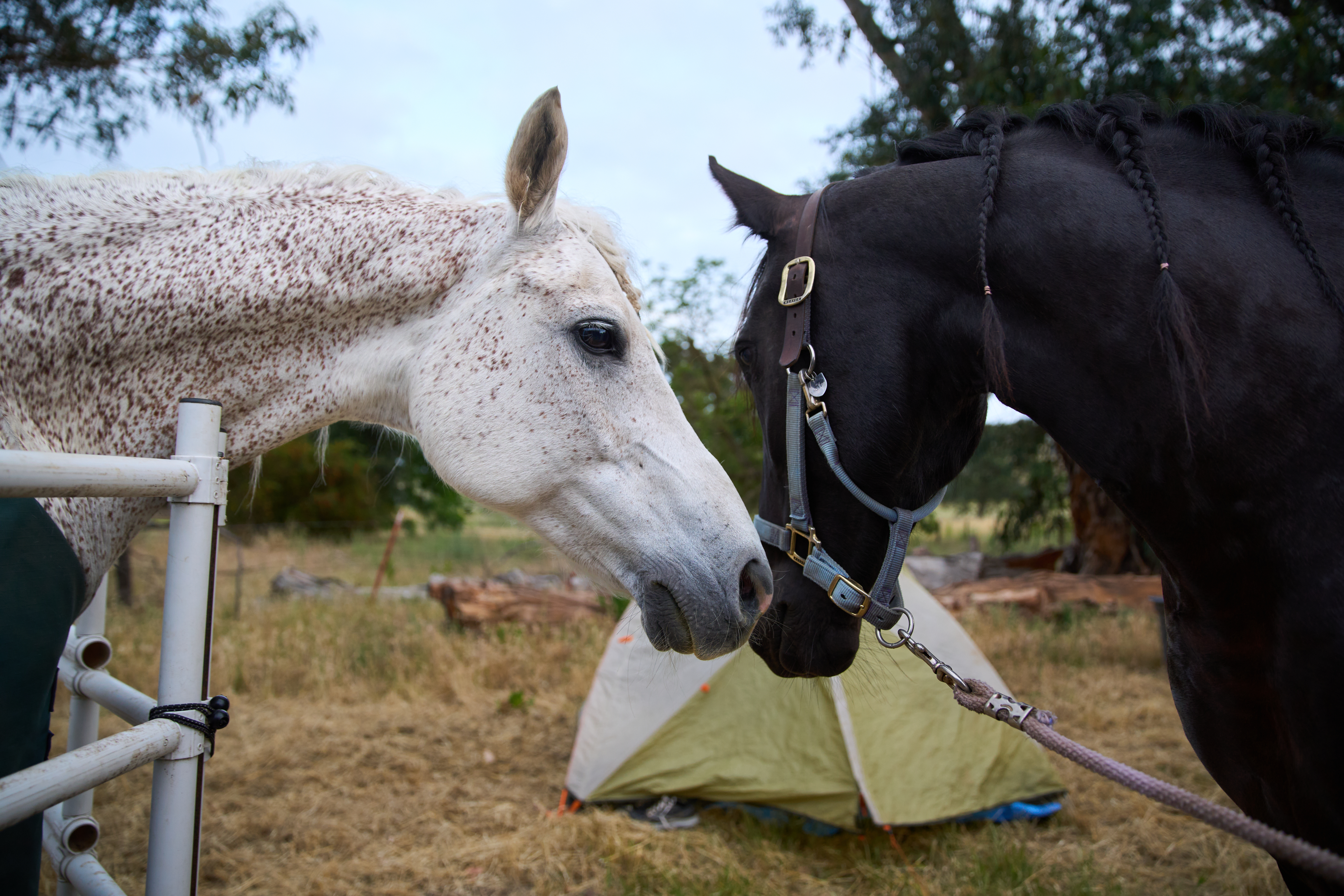
That’s just one of the lessons she and Lourdes learned from their mother. “She set an example of being strong. Look what she went through!” Lourdes exclaimed. Through all the adversity she faced, Consuelo taught her children positivity, love and sacrifice. To this day, she is a pillar in her community.
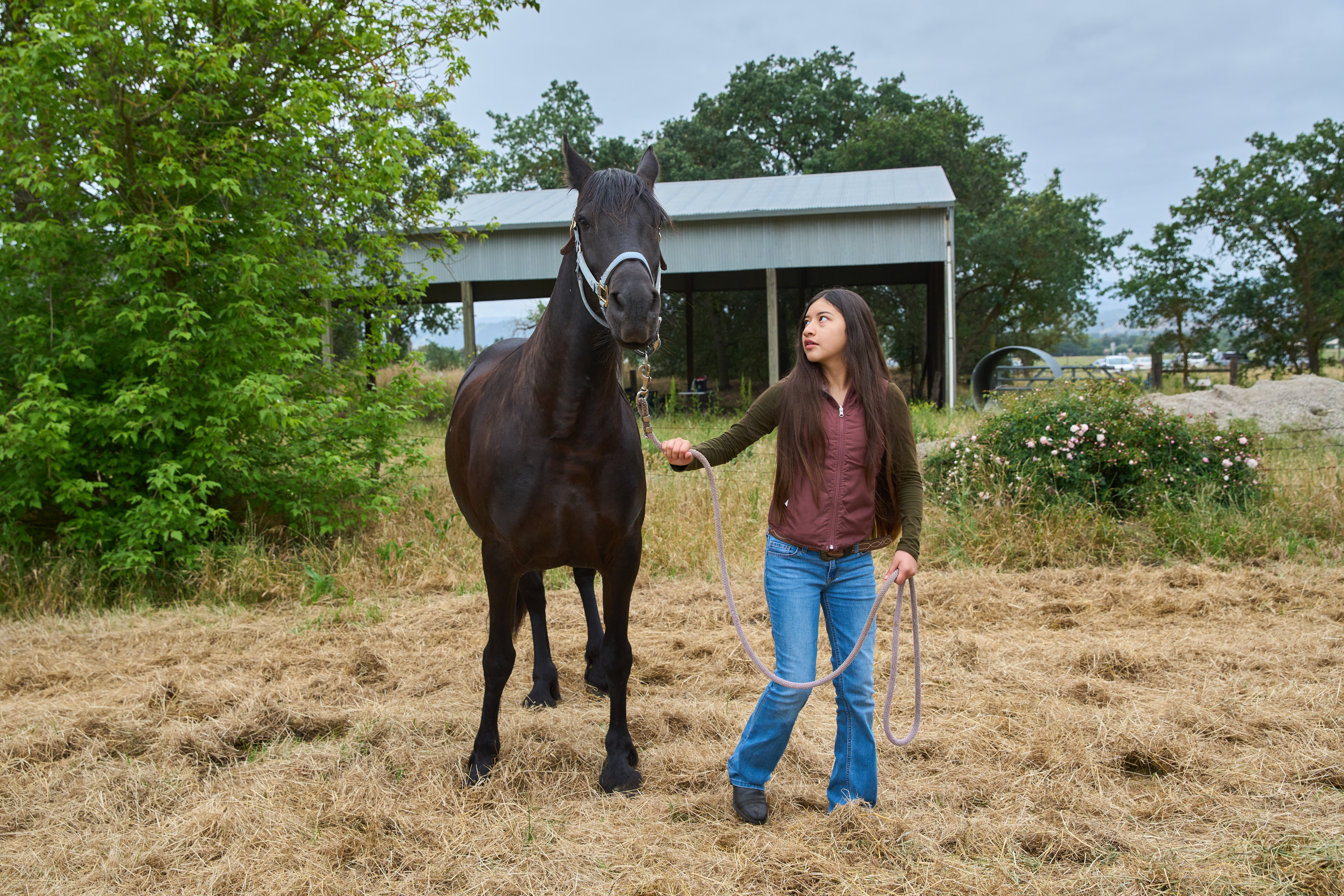
Caring Cowgirl is also a means to teach these values. Jay, a young girl Beeson mentored , learns them through horsemanship and riding lessons. To Beeson, horsemanship means more than learning how to groom and feed a horse.
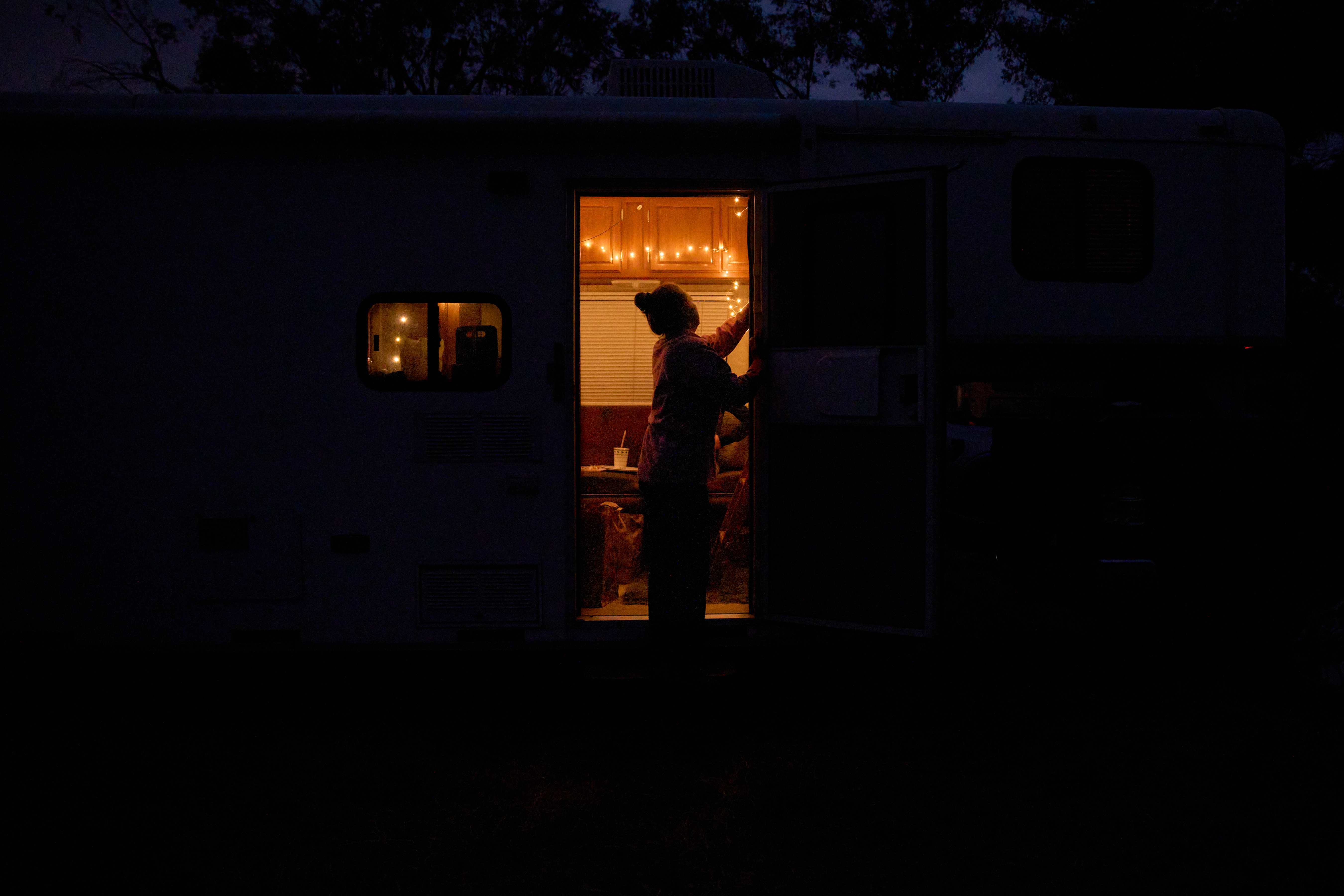
“As a young Latina woman,” she explained, “I want her to walk through the world with confidence that is caring. It’s something you learn when you’re with horses, to be kindly assertive. And that’s exactly the way that all of us should walk through the world.”
But Beeson also believes that it’s dangerous to be a woman, even more so a young Latina, in the United States with its anti-immigrant and anti-women hysteria. “We have so much to share,” she said. “I don’t want us to live in fear or feel like we have to minimize ourselves or assimilate. Because we’re so beautiful.”
People of all ages, backgrounds, and cultures can find an outlet now in Caring Cowgirl. To be proud of their ethnic identities, to disconnect from fear and reconnect with themselves through confidence, kindness, presence, and horses.


Recent Comments